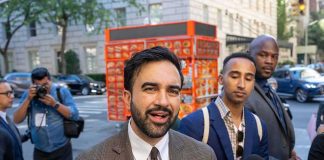
A Democrat just edged out a Republican by 88 votes in a Pennsylvania district the GOP held for more than 30 years.
Story Highlights
- Democrat Brandon Dukes leads Republican Scott Timko by 88 votes in Butler County’s special election.
- The seat had been in Republican hands for decades; unofficial returns show 8,434 to 8,346.
- The race took place in a district that strongly favored President Trump in past elections.
- Close margins raise recount questions, but automatic recounts do not cover local legislative races in Pennsylvania.
What Happened in Butler County’s Special Election
Butler County’s unofficial results show Brandon Dukes, a Democrat, ahead of Republican Scott Timko by 88 votes in Pennsylvania’s 12th state House District special election on August 18, 2026. County returns list 8,434 votes for Dukes and 8,346 for Timko, a margin under one percent. Local outlets described the outcome as a rare flip in a district long held by Republicans, with the result effectively decided on election night pending standard ballot reviews.
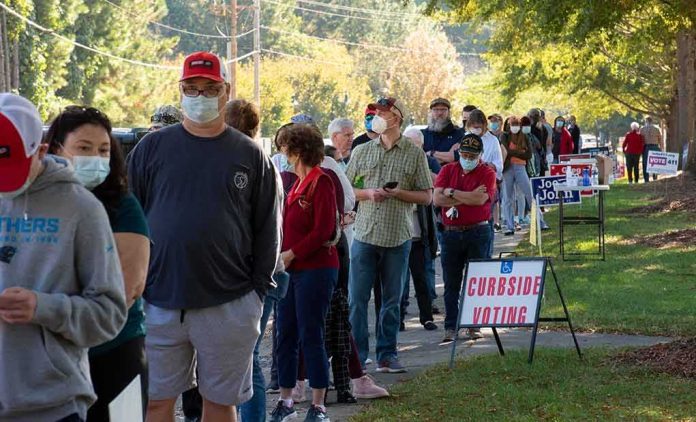
The district sits in suburban and exurban communities north of Pittsburgh and has been considered safe for Republicans. Local reports framed the outcome as a shock, noting the party’s multi-decade hold on the seat and the narrow path Dukes carved out to lead by fewer than 100 votes. Turnout hovered around one-third of registered voters, which is typical for special elections and often makes results more volatile than in high-turnout general elections.
How the Count Works When Margins Are Razor-Thin
Pennsylvania law automatically triggers recounts only in close statewide races, not in local or state legislative contests. For races like this one, voters or candidates must petition county boards or the courts to seek a recount. News organizations may project a winner even when a recount is possible under petition rules, but any such recount is not automatic under state law. FairVote’s national review finds recounts rarely flip outcomes unless the margin is extremely tiny.
Local reporting on election night said some provisional and overseas ballots still needed to be processed. That is normal procedure and often does not change results unless the margin is very small. The 88-vote spread in this race is small but not unheard of in special elections, where fewer total votes can magnify late adjustments. Historical research shows outcome reversals after recounts are uncommon and tend to occur only at minuscule margins.
Why a Deep-Red Seat Could Shift in a Low-Turnout Race
Special elections often hinge on organization, message discipline, and turnout in a small slice of the electorate. Dukes consolidated enough support to overcome the district’s Republican lean by a sliver, suggesting targeted outreach and local issues mattered more than broad labels. Local coverage throughout the campaign highlighted sharp contrasts between the candidates and personal finance attacks that may have influenced late-deciding voters. Small swings can decide control when few voters participate.
🇺🇸 BREAKING: Democrats flip PA-12 special election in Butler County — the site of Trump's 2024 assassination attempt. A major warning sign for GOP in key battleground state. Could this foreshadow 2026 midterm losses? #Politics
— Dino Vibes Daily (@DinoLeadingNews) August 19, 2026
For voters across the spectrum, the lesson is plain: when fewer people vote, a handful of ballots can set policy for thousands. Many Americans feel leaders ignore kitchen-table concerns and focus on their own careers. This result shows engaged neighbors, not national figures, can still set the agenda. Both parties see warning signs in such flips. Republicans face the cost of complacency in places once thought safe. Democrats see an opening but must replicate this focus to make gains last.
Sources:
thegatewaypundit.com, politicspa.com, butlereagle.com, triblive.com, post-gazette.com, butlerradio.com, nytimes.com, butlerpadems.org, delawarevalleyjournal.com, fairvote.org