

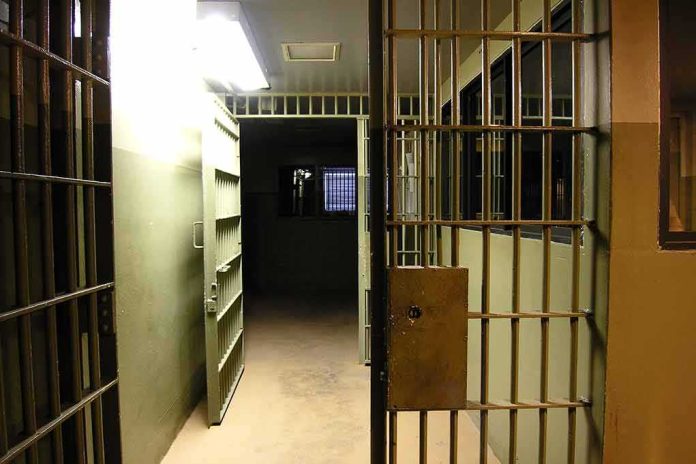
New York City Mayor Zohran Mamdani unveiled a plan to close the Rikers Island jail complex by the end of 2032, more than five years past the deadline in city law.
Story Highlights
- City law requires the jails on Rikers Island to close by August 31, 2027. The new plan sets December 31, 2032.
- The City Council must pass a new law before the later date can take effect.
- Four new borough jails would replace Rikers, opening between 2029 and 2032.
- The plan aims to cut the number of people held in city jails from about 6,600 to about 4,100.
- City Hall wants to spend $146 million in the next budget year on programs meant to keep people out of jail.
A Five-Year Delay Past The Legal Deadline
On Friday, November 20, Mamdani’s administration released a 75-page “Close Rikers Strategic Plan.” It is the first time his team has formally committed to a closing date. The administration says the 2027 deadline cannot be met. It blames construction delays, court backlogs from the pandemic, and what it called a lack of priority under former Mayor Eric Adams. It also says the jail population has to shrink first, because the four replacement jails will not all be open until 2032.
Mamdani had pledged to work toward closing Rikers by 2027, according to reports. “It is time to finally close Rikers Island,” he said. “We have a legal and moral obligation to close Rikers.” In a letter, he wrote that “New York City will no longer accept a system that fails those in custody.”
Rikers Island sits in the East River between Queens and the Bronx. It has long been known for violence, abuse and deaths in custody. The city’s Department of Correction has lost full control of the jails, which were placed under a court-appointed remediation manager, an outside official chosen by a judge to fix conditions there.
How The City Plans To Hold Fewer People
About 6,600 people are held in city jails. About 5,600 of them are still waiting for their cases to end. The plan aims to bring that number down to about 4,100 by cutting the time people sit in jail before trial, expanding supervised release and other options that let some people wait for trial at home under a program’s watch, and lowering repeat offending.
City officials say the biggest drop should come from faster court cases. Cases in New York City take an average of about 431 days to finish, 115 days longer than in the rest of the state. City Hall proposed speeding up forensic tests, evidence sharing and court paperwork. It also plans to add hundreds of treatment beds in city hospitals for people in custody who are seriously ill.
New Jails, Money And The Island’s Future
Under the plan, the Brooklyn jail would open first, in 2029. The Bronx and Queens jails would follow in 2031, and the Manhattan jail would be finished in 2032. Construction of the Manhattan jail is the subject of a lawsuit. City Hall will release a progress report every three months.
The $146 million would pay for mental health care, drug treatment, job training, education, housing and help for people leaving jail. The city plans to tear down its first empty jail building on the island next year. Once the island is empty, it would be handed to the city agency that manages city property.
What The City Council Must Still Decide
The mayor cannot change the 2027 deadline on his own. The City Council must pass a new law first. Council Speaker Julie Menin said in a statement that “delays under previous administrations have made it clear that more time is needed.” She said the Council is committed to extending the deadline and that talks are ongoing.
Council Member Sandy Nurse, who is expected to sponsor the bill, said the plan is “95 percent aligned” with the Council’s goals. She said the bill will likely set benchmarks the city must meet rather than one final date. Council Member Selvena Brooks-Powers of Queens, who leads the Council’s criminal justice committee, called the plan a “good start” but wants more benchmarks. The district attorneys of the Bronx, Brooklyn, Manhattan and Queens said in a joint statement that the plan will help, but “we have a long way to go and many obstacles to overcome.”
Sources:
abc7.com, fox5ny.com, queenseagle.com, edition.cnn.com, abcnews4.com