U.S. strikes reached Iran’s main port city, hitting bridges and military sites around Bandar Abbas, tightening the choke point that moves much of the world’s oil.
Story Highlights
- U.S. Central Command said strikes hit Iranian military targets tied to threats against shipping in the Strait of Hormuz.
- Reports also describe damaged bridges and transport links near Bandar Abbas, Iran’s principal port.
- Washington framed the operation as defensive and focused on maritime security.
- Independent, on-the-ground verification of each target’s military status remains limited.
What Was Hit Around Bandar Abbas
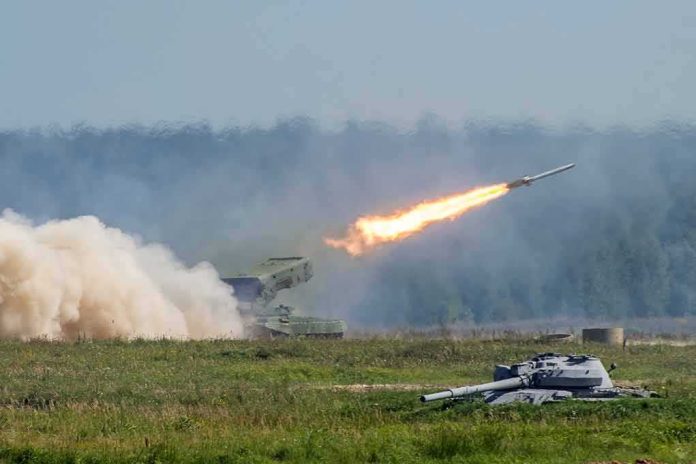
United States Central Command stated that U.S. forces used precision munitions against dozens of Iranian military targets. The command listed coastal surveillance and air defense sites, logistics hubs, and maritime assets. Reuters reported that the latest wave included strikes in Bandar Abbas, a vital port city on the Strait of Hormuz. U.S. officials tied the action to recent attacks on commercial shipping and said the goal was to reduce Iran’s ability to threaten passing vessels in the waterway.
Other outlets described targets that extend beyond classic military bases. Reports cited damage to roads, bridges, rail links, tunnels, and communications nodes near the city. These corridors feed Iran’s naval presence on the strait. That mix of sites suggests a campaign aimed at supply lines and command routes, not only missile or drone launch points. The focus on movement networks tracks with U.S. descriptions of going after “military logistics infrastructure” that supports maritime pressure.
Why This Matters For Energy And Trade
Bandar Abbas sits next to the world’s most sensitive oil choke point, where a large share of seaborne crude passes every day. Disruption there raises risks for insurance, shipping schedules, and fuel prices far from the Gulf. U.S. officials framed the strikes as a way to shield global shipping lanes from Iranian attacks on tankers and cargo vessels. If the campaign degrades sensors, air defenses, and fast-boat support, it could lower near-term risk to transit traffic through the strait.
At the same time, hitting bridges and transport links near a commercial hub can spark broader fallout. Even strikes on dual-use routes, if used by the military, can slow civilian trade and worker travel. That is why international law stresses distinction, necessity, and proportionality. The record supplied here does not include a U.S. legal memo that walks through those standards for each site. Absent that, public debate will hinge on competing claims about actual use at the moment of attack.
Competing Narratives And Evidence Gaps
U.S. statements emphasize measured, defensive action to deter future attacks and protect a fragile calm. Coverage recaps a steady campaign against coastal radars, air defenses, drone sites, and maritime enablers. That narrative reflects a common pattern: militaries stress precision and target categories, especially when operating near dense cities and ports. It sets early public expectations that the targets were lawful military objectives tied to active threats at sea.
🚨 BREAKING NEWS
No US strikes reported on Iran today after 13 consecutive nights of attacks. Last US strikes hit Ahvaz, Bandar Abbas & Qeshm Island targeting military command centers & drone sites#IranWar #US #MiddleEast
— Rashid mehmood 🇵🇰 (@PK360News) July 25, 2026
Counter accounts highlight bridges, power, water, and rail damage that affect daily life. Some reports mention deaths and injuries, but offer few details that can be independently checked. The evidence set provided lacks satellite before-and-after images, combat camera releases, or site inspections that would settle which structures were strictly military, which were dual-use, and what collateral harm occurred. That leaves space for both sides to harden their stories without final proof.
Shared American Concerns: Clarity, Costs, And Accountability
Americans across the aisle see a familiar cycle: officials act, the public pays, and answers come late. Conservatives worry about endless missions, high costs, and energy shocks. Liberals worry about civilian harm, escalation, and democratic oversight. Both want clear goals, legal footing, and straight reporting. In this case, releasing a target list summary, battle-damage findings, and legal reviews would help citizens judge claims about bridges, depots, and command nodes near the port.
For now, three tests stand out. First, did the strikes reduce near-term threats to ships in the Strait of Hormuz. Second, did planners limit damage to civilian life and commerce around Bandar Abbas. Third, is there a plan to prevent a tit-for-tat that widens the war. Verified imagery, shipping incident data, and transparent briefings can answer those questions. Without that, trust erodes, and many Americans will see another operation managed by elites, not by consent.
What To Watch Next
Watch for shipping insurers to adjust rates and for reported incidents at sea to rise or fall. Look for commercial satellite companies to release before-and-after pictures of the bridges and corridors named in reports. Check whether the U.S. government publishes even a redacted assessment of target selection and expected collateral effects. Movement on those fronts will show whether leaders take public accountability as seriously as the strike messaging suggests.
Sources:
realcleardefense.com, nypost.com, reuters.com, thehill.com, newsweek.com, youtube.com, ynetnews.com, usnews.com