
On Thursday, September 24, Rep. Rashida Tlaib claimed “ICE killed another man” — yet Homeland Security says immigration officers had ended the stop and were a half-mile away when the fleeing driver slammed into a tree and died.
Story Snapshot
- Grand Rapids police say the driver fled after an immigration stop attempt and crashed into a tree.
- Homeland Security says officers broke off the stop and were not chasing at the time of the crash.
- Officials say the vehicle was traveling well over 100 miles per hour before impact.
- Michigan’s governor ordered a review, while activists blame federal agents.
What Police And Federal Officials Confirmed
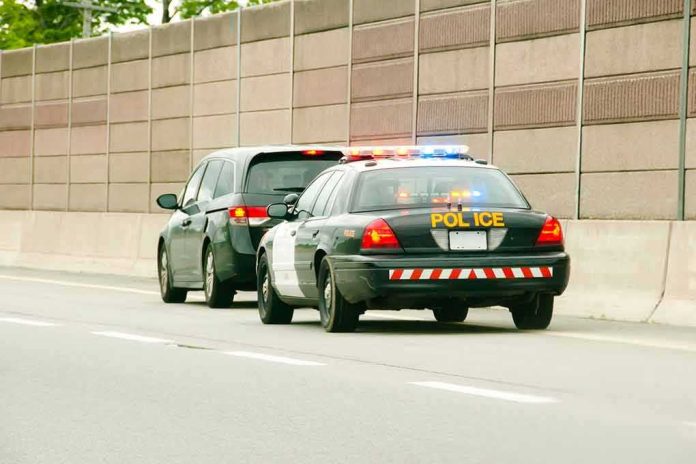
Grand Rapids police reported that a driver fled after federal immigration officers attempted a traffic stop on Sunday morning. Police said the vehicle then hit a tree, caught fire, and the driver died at the scene. These are the core facts authorities released to the public. The sequence starts with a stop attempt, a rapid flight, and a fatal crash. Police statements on timing and location match what multiple outlets reported that week.
The Department of Homeland Security said officers tried to confirm the driver’s identity, the driver fled at a high rate of speed, and the officers immediately ended the enforcement action for safety. Officials said they later saw smoke nearly a half-mile from the stop location and found the car burning after a tree strike. Officers said they tried to render aid before local responders arrived. These details place officers away from the crash site when it happened.
And here are the facts @RepRashida
Grok:
•Rep. Rashida Tlaib posted that ICE killed Mario David Coronado Juarez by pursuing him in an unmarked car, causing a fatal crash while he worked as a construction laborer in Michigan supporting his children in Guatemala.
•DHS states…— renatar (@renatar_roza) September 25, 2026
Speed, Targeting, And Disputed Blame
Homeland Security told reporters the vehicle was traveling well over 100 miles per hour before impact. The department also said the stop targeted a vehicle registered to a known criminal illegal alien with several alcohol-related driving offenses and a wanted status in Guatemala. Officials added the deceased was not the original target. The speed estimate and targeting details help explain why officers attempted the stop, and why they say they called it off when the driver fled.
National and local outlets echoed the same chain of events: attempted stop, flight, and a fiery single-car crash. Reports consistently state the man died when his car struck a tree shortly after the attempted stop. While activists and some politicians rushed to blame federal agents, those claims run against the public statements that agents disengaged and were not in active pursuit at the time of the crash. The consistent timeline supports the official account shared with the press.
Politics, Policy, And Accountability
Michigan’s governor ordered a state police review of the incident as questions mounted. Reviews like this check whether tactics followed policy and whether decisions reduced risk to the public. That step does not change what police and federal officials have already said about the crash sequence, but it can clarify communication gaps between agencies. The review also reflects pressure from leaders who face protests and media scrutiny after any immigration-linked death.
Grand Rapids police said their crash team had limited access to information from federal agents about events before the collision. That is a common friction point in joint operations. Clearer reporting rules can help, but they do not shift the physical facts on the ground: a driver chose to flee at extreme speed and died in a solo crash. Calls to label this “ICE killed another man” ignore the documented disengagement and distance at the time of impact.
Why This Matters To Public Safety
National data show many people die each year in crashes linked to flight from police. That is why pursuit and stop policies focus on safety, not just arrests. Immigration cases add heat because past federal policies under left-wing leaders weakened enforcement and muddied rules, letting dangerous drivers stay on the road. President Trump’s team has pushed enforcement while stressing safety, and the department’s account here shows a cut-off meant to reduce risk even as the driver sped away.
Lawmakers have a duty to get facts right before they inflame tensions. When a driver flees and wrecks alone at very high speed, the cause is not in doubt. Demands for oversight can proceed, but smearing officers who say they disengaged helps no one. Voters want order, secure borders, and honest reporting. This case underscores a simple truth: personal responsibility and firm, lawful enforcement protect families far better than slogans that twist tragedy into politics.
Sources:
twitchy.com, cbsnews.com, freep.com, ua.news, thehill.com, ground.news, yahoo.com