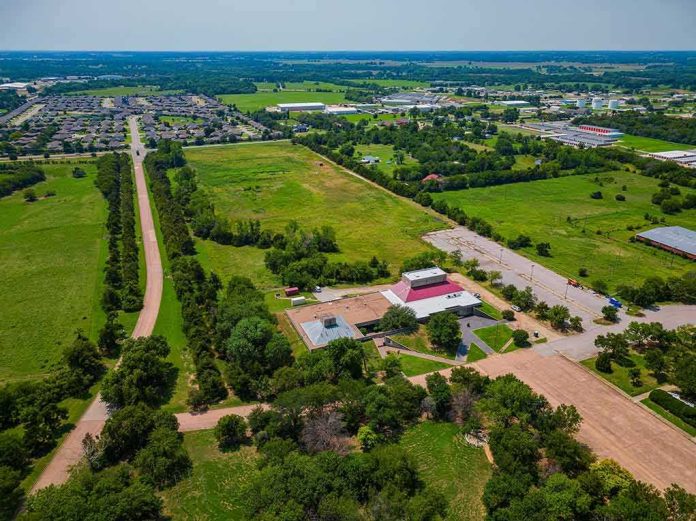
Federal prosecutors moved to seize a California ranch they say is tied to the new head of Mexico’s Jalisco Cartel, putting a U.S. property at the center of an international drug case.
Story Snapshot
- The Justice Department filed a civil forfeiture case for a ranch in Hemet, California.
- Officials link the property to Juan Carlos Valencia González, indicted in 2020.
- The indictment seeks forfeiture of assets tied to drug crimes and facilitation.
- Recent sanctions signal added pressure on any U.S.-based assets.
What the Government Filed and Why It Matters
The United States Department of Justice filed a civil forfeiture action in late July to take a ranch in Hemet, Riverside County. Prosecutors allege the property is connected to Juan Carlos Valencia González, described in reporting as the new leader of the Jalisco New Generation Cartel. The filing comes as part of a money laundering and narcotics strategy that lets the government target assets tied to drug profits or used to help crimes. Officials must prove the link in court under civil rules.
El País and Infobae report the ranch was purchased in 2011 for about $250,000 and is now valued near $700,000. Reporters frame the site as a target of the new case and as a United States asset the government aims to seize. These details show why the property draws attention: it sits inside a quiet California community, yet it is now part of a larger fight against a major cartel figure. Court proceedings will test the alleged tie.
Alleged CJNG leader’s California ranch targeted for seizure.
Federal authorities have identified a ranch in Hemet, California, that they allege belongs to Juan Carlos Valencia González, the suspected leader of the Jalisco New Generation Cartel, known as CJNG.
The discovery is… pic.twitter.com/OZNLOFmPV7
— Cobian77 (@TheWayandThruth) August 30, 2026
The Charges Against Valencia González
The United States Department of State says a grand jury in Washington, D.C., indicted Valencia González on October 8, 2020. The indictment covers a plan to make and move cocaine and methamphetamine, and includes firearms offenses, according to the Drug Enforcement Administration. The document also states the government will seek forfeiture of property gained from drug crimes or used to help commit them. That legal path supports the new civil case focused on the Hemet ranch.
Sanctions announced this summer add pressure on any assets in the United States tied to Valencia González. Reporting says the Treasury action freezes accounts and bars United States persons from doing business with him. Sanctions and forfeiture often move in tandem. Sanctions limit access to money, while forfeiture aims to take property linked to crimes. Together, they can box in a target’s ability to move funds or use safe assets in this country.
How Civil Forfeiture Works and What Comes Next
Civil forfeiture cases proceed against the property itself, not only against a person. The government must show, by a preponderance of the evidence, that the property is subject to forfeiture and has a substantial connection to the offense. A criminal conviction is not required to win the civil case, though facts from the criminal probe often support it. If the court agrees, title can shift to the government, even if the named owner never appears in a criminal trial.
These steps land in a wider national debate. Many Americans see drug profits fueling violence at the border and in cities. Others worry that civil forfeiture can sweep up property before the full record is public. The law sets the burden on the government to prove its case, and owners can contest the claim in court. For now, the Hemet filing shows federal officials pushing to choke off funds they say back a major cartel network.
What This Signals for Communities and Policy
Local communities feel these cases even when crimes start overseas. A ranch in Riverside County becomes part of a cross-border fight, and neighbors watch federal actions unfold next door. For readers left and right, this touches common concerns: crime crossing the border, justice that must be fair, and a government expected to act within clear rules. The case will show whether prosecutors can prove the ranch’s link under the standards Congress set for civil forfeiture.
Sources:
nypost.com, english.elpais.com, infobae.com, elpais.com, oag.ca.gov, 2021-2025.state.gov, docs.justia.com