Trump administration pressures communist Cuba into releasing prisoners while simultaneously easing oil blockades, raising serious questions about whether American leverage is being traded away for symbolic gestures that fail to address political dissidents rotting in Castro regime dungeons.
Story Snapshot
- Cuba announced pardons for 2,010 prisoners on April 2, 2026, citing humanitarian reasons tied to Easter observances
- Trump administration eased oil blockade days before the announcement, allowing Russian tanker deliveries to fuel-starved Cuba
- Pardons exclude those convicted of serious crimes and notably omit political prisoners—a core U.S. demand for decades
- This marks Cuba’s fifth mass pardon since 2011, totaling over 13,000 releases, while the communist regime maintains its grip on dissidents
Trump Administration Caves on Oil Blockade
President Trump’s administration eased a de facto oil blockade against Cuba just days before the communist government announced its prisoner pardons, permitting a Russian tanker to deliver crude oil to the fuel-starved island. This concession represents a significant shift in leverage, allowing Moscow to step in as Cuba’s energy lifeline while Havana faces crippling shortages. Russia subsequently announced a second oil tanker shipment on April 2-3, 2026, cementing its geopolitical alliance with the Castro regime. The timing raises concerns about whether America surrendered economic pressure for a token humanitarian gesture that fails to address the real issue: political prisoners.
Pardons Exclude Political Dissidents
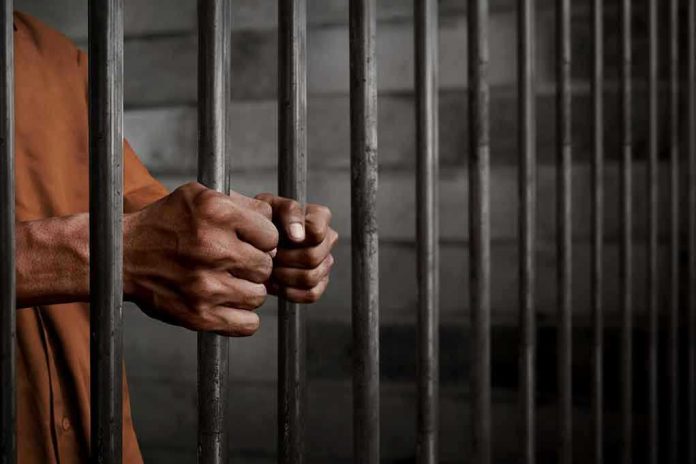
Cuba’s April 2 announcement detailed that 2,010 prisoners would receive pardons based on crime nature, conduct, sentence time served, and health considerations, targeting young people, women, those over 60, foreigners, and Cuban citizens abroad. However, the pardons explicitly exclude individuals convicted of murder, sexual assault, drug crimes, theft, illegal livestock slaughter, or crimes against state authorities. Releasing political prisoners has been a longstanding U.S. demand in negotiations with Havana, yet the Cuban presidency made no mention of dissidents in its announcement. This selective clemency allows the regime to project humanitarian optics while keeping its iron grip on those who dare challenge communist rule.
Questionable Use of American Leverage
The Trump administration’s decision to ease sanctions without securing freedom for political prisoners represents a troubling pattern of giving away leverage for empty promises. Cuba frames these pardons as part of the “humanitarian legacy of the Revolution,” the fifth such round since 2011 totaling over 11,000 releases, yet the regime continues imprisoning those who speak out against tyranny. The Cuban government carefully omitted any acknowledgment of U.S. pressure in its official statements, maintaining the fiction of sovereign decision-making. Meanwhile, American taxpayers are left wondering why their government traded away economic tools that could have genuinely pressured Havana to respect human rights and release actual political prisoners who languish in cells for the crime of demanding freedom.
Russia Fills the Void
While Trump’s team backed down on oil pressure, Vladimir Putin’s Russia eagerly stepped forward to supply Cuba with desperately needed crude oil, announced concurrent with the prisoner pardons. This development hands Moscow a propaganda victory and strengthens its foothold in America’s backyard, a concerning development for those who remember the Cold War and understand the strategic threat of Russian influence just 90 miles from Florida. The pardons, which will result in early releases within six to twelve months for eligible inmates, do nothing to counter this geopolitical shift. Cuba successfully balanced accepting Russian aid while projecting independence from U.S. demands, demonstrating that the Trump administration’s approach yielded minimal results for maximum concessions.
Limited Impact on Cuban Oppression
The 2,010 pardoned prisoners and their families will undoubtedly experience reunions and relief, particularly among vulnerable groups like the elderly and women. Cuban society may see marginal benefits from reduced incarceration for non-serious offenders, easing prison overcrowding. However, no identities have been disclosed, leaving uncertainty about who actually benefits from this clemency. The broader political reality remains unchanged: Cuba’s communist government maintains its authoritarian control, political dissidents remain imprisoned, and the regime leverages religious observances and Vatican ties to burnish its international image without substantive reform. American conservatives should question whether Trump’s strategy of easing pressure while accepting symbolic gestures serves U.S. interests or simply enables a brutal dictatorship to survive another day.
Sources:
Cuba pardons 2010 prisoners amid United States pressure – NZ Herald
Cuba pardons over 2,000 prisoners amid US pressure – Le Monde
Cuba pardons 2,010 people as the US pressures the island’s government – WRAL