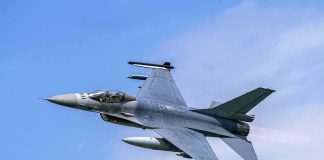

Trump just hit pause on bombing Iran’s power grid—but the bigger shock for America First voters is how quickly “no new wars” turned into a five-day countdown to a wider conflict.
Quick Take
- President Trump extended a 48-hour ultimatum by five days, postponing planned strikes on Iranian power plants and energy infrastructure tied to the Strait of Hormuz crisis.
- Trump cited “productive conversations” with a senior Iranian figure, while Iran’s leadership publicly denied any negotiations and called the reports “fake news.”
- The war is now measured in weeks, with major U.S. strike totals reported and Iran using mines, missiles, and threats to expand pressure across the Gulf.
- Oil markets briefly calmed after the pause, but energy costs and war funding demands remain front-and-center for U.S. households and taxpayers.
Trump’s Five-Day Extension Resets the Clock on Energy Strikes
President Donald Trump postponed U.S. strikes on Iranian power plants after extending a 48-hour ultimatum into a five-day window for Iran to reopen the Strait of Hormuz “without threat.” Trump announced the delay on March 23, 2026, describing ongoing contacts as “very good and productive conversations” and arguing the tone of communications justified holding fire—for now. The pause is conditional, with Trump warning bombing would resume if the talks fail.
Iran’s closure of the Strait of Hormuz sits at the center of the showdown because the route carries a significant share of global oil shipments. In the days leading up to Trump’s extension, the U.S. message was blunt: reopen the strait or face the destruction of key energy infrastructure. The delay immediately created two competing narratives—Washington projecting momentum toward a deal, Tehran projecting defiance—while Americans watched gas and heating costs swing with every headline.
Iran Denies Talks as the IRGC Threatens the Region’s Power Grid
Iranian officials publicly rejected Trump’s claim that serious negotiations were underway. Reports cited Iran’s parliament speaker, Mohammad Bagher Ghalibaf, and Iranian state media dismissing the idea of talks and framing the story as market manipulation. That denial landed alongside sharper threats: the Islamic Revolutionary Guard Corps warned it could target power plants that supply U.S. bases, and Iranian authorities warned they could escalate mining across the Persian Gulf.
The mismatch between reported backchannel communications and public denials matters because it signals uncertainty about who is empowered to make binding commitments. Trump said he spoke with a “top person” in Iran, while reporting noted it was not Supreme Leader Mojtaba Khamenei. Without independent confirmation of the identity or authority of that contact, the extension becomes less like a ceasefire and more like a time-limited wager—one that can collapse quickly if Iran continues mining or launches additional missile attacks.
War Metrics, Interceptor Strain, and a Hormuz Mine Problem
By late March, reporting described the U.S.-Iran war as entering its fourth week, with extensive U.S. air operations that damaged or destroyed thousands of targets and struck Iranian ships. Iran’s response has leaned on asymmetric pressure: ballistic missiles fired toward Israel, threats of broader Gulf disruption, and a mine strategy in and around the Strait of Hormuz. The mine issue is especially hard to unwind because it can stall shipping even when diplomacy moves faster than naval clearance operations.
Israel’s situation adds another layer for U.S. voters who are now debating the boundaries of American involvement. Reporting described injuries from Iranian strikes and raised concerns about interceptor shortages, underscoring that the conflict is not confined to a single battlefield. For a conservative audience that prioritizes national defense but rejects open-ended nation-building, the operational reality creates a hard question: how to protect allies and global shipping lanes without sliding into an indefinite, high-cost war with shifting objectives.
What This Means for Conservatives: Costs, Credibility, and Constitutional Guardrails
The immediate economic effect of Trump’s pause was a burst of market relief, including reported drops in oil prices, but the underlying drivers remain: a blocked chokepoint, mining threats, and an active shooting war. U.S. war funding requests have been described in the hundreds of billions, with totals potentially rising. For families already worn down by inflation and energy volatility, the biggest pocketbook issue is whether this conflict pushes fuel and goods higher again—fast.
"Trump postpones deadline to strike Iranian power plants amid hope for peace deal." Very thankful President Trump made this decision. It is important to remember, we should NOT be fighting the people of Iran but the regime. #FreeIran #PrayForPeacehttps://t.co/W5oYgngGSz
— Rev. Patrick Mahoney (@revmahoney) March 24, 2026
Politically, the pause highlights a split inside MAGA world: voters who want maximum pressure on Iran versus voters who backed Trump on the promise to avoid new wars and regime-change spirals. The available reporting also notes regime-change rhetoric and comparisons to Venezuela, which will raise alarms for Americans who remember how quickly “limited” missions expand. The facts so far show a temporary delay, not a resolution—and no independently confirmed breakthrough that would justify assuming peace is close.
Sources:
Trump Postpones Strikes on Iranian Power Plants After Iran Threatens Persian Gulf