
Police in Germany say a key power substation near Cologne was damaged by a deliberate act, forcing coal plant units offline but sparing homes from blackouts.
Story Snapshot
- Police say a short circuit at a Bergheim substation was caused by a deliberate act, not a malfunction.
- Grid operator actions led to several RWE coal plant units being disconnected; household power stayed on.
- Officers are treating the case as a criminal offense and coordinating with the grid operator.
- The incident comes amid wider European concern over attacks on critical infrastructure.
Police Treat Substation Damage as a Criminal Act
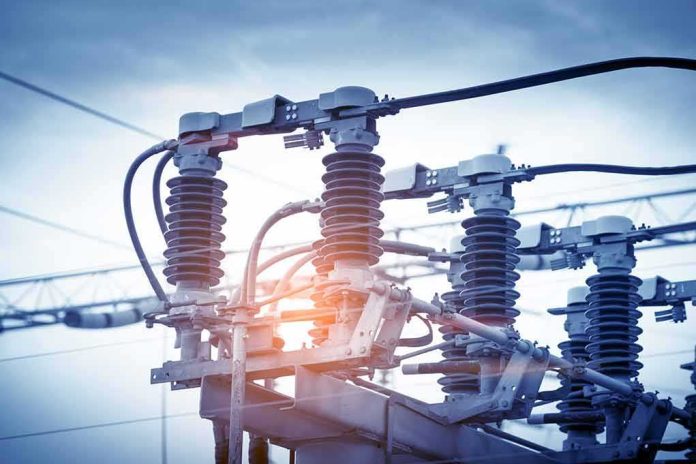
Essen police said Tuesday night’s disruption at a Bergheim substation was not a technical failure. Officers stated they are investigating a deliberate act after a short circuit knocked out several lines at the site near Cologne. The department described the case as a criminal offense under German law. Officials added that the cause and full circumstances are still being reviewed, but the working view rejects routine equipment error found in normal grid faults.
🚨 CONFIRMED
German police suspect sabotage after a deliberate incident at a power substation in Bergheim caused several transmission lines to fail and disrupted RWE Power facilities. Residents reported hearing explosions and seeing flashes overnight, with a helicopter later…
— DC_Global_News (@DC_Global_News) September 2, 2026
Amprion, the transmission grid operator, linked the event to outside interference and said it is working with police and energy company RWE. The company’s coordination focused on stabilizing the network and reviewing equipment at the substation. Police presence at the facility and forensic checks signal a probe centered on human action. Authorities did not release a suspect profile or name a tool used, reflecting an active investigation phase.
Operational Impact Hit Coal Units, Not Households
Reporters on the scene and company updates said several RWE coal plant blocks disconnected after the fault at the Bergheim site. The steps reduced risk to the broader network and protected equipment from further damage. Police said the general power supply to the public was not affected, so homes and small businesses kept their lights on. This pattern matches a targeted disruption that hits generation or high-voltage gear without causing a wide blackout.
Regional media described a contained but serious outage on lines tied to the substation. RWE operations adjusted to match grid stability needs. That response is common when a fault trips protective systems and forces a safe shutdown. The focus then moves to isolating damaged parts, testing relays and transformers, and bringing generation back in stages. Officials did not provide a full repair timeline or name the exact component that failed.
Second Suspected Sabotage Case Sharpens Security Lens
Reuters framed the Bergheim incident as Germany’s second suspected sabotage attempt on its electricity grid in quick succession. That language reflects official concern that critical energy assets face higher physical and cyber risk. Recent European threat reporting notes that attacks on core services have increased, even if many are low-grade and brief. As a result, police and operators now treat unusual faults with more caution and faster criminal review.
European monitoring groups and agencies have logged sustained pressure on infrastructure targets. The European Union Agency for Cybersecurity reported that incidents against critical sectors remain elevated, with denial-of-service campaigns common and ransomware still highly damaging. This backdrop makes a deliberate-Act assessment more likely when physical faults appear unusual or clustered in time, especially around major nodes like substations.
What Investigators Still Need to Confirm
Police said the inquiry is ongoing and key details remain unclear. Officials did not publish forensic findings, such as cut fencing, tool marks, or foreign objects on gear. They also did not cite witness accounts or camera footage. Those items, if found, would firm up the case for sabotage. For now, the public record rests on police statements that rule out a routine malfunction and on operator comments about external interference.
Next steps likely include a component-by-component check at the substation and a timeline reconstruction from control room logs. Operators often review alarms, switching orders, and protective trips to map the first fault. If investigators confirm human action, prosecutors could seek charges tied to attacks on critical infrastructure. Regardless of final cause, the case underscores how one damaged node can force power plants offline and test grid resilience without plunging cities into darkness.
Sources:
insiderpaper.com, nampa.org, amp.dw.com, pollar.news, ukrmedia.news, wa.de