
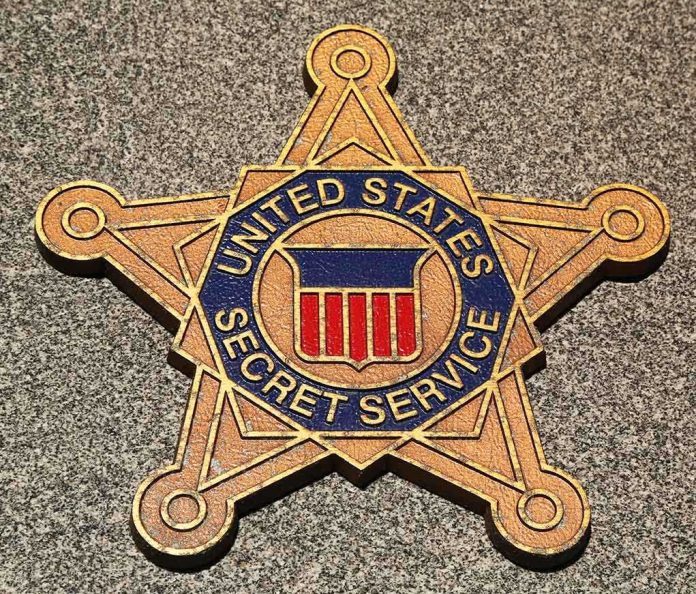
A Secret Service agent’s alleged participation in explicit videos sold on OnlyFans has ignited questions about professional conduct, national security vetting, and the growing collision between government service and the digital age’s most profitable side hustles.
Story Snapshot
- Content creator Brittney Jones reportedly posted graphic videos featuring an unnamed Secret Service agent on her OnlyFans platform
- The incident raises potential conflicts between federal employee conduct standards and personal activities on adult content platforms
- No official statements from the Secret Service, Jones, or the alleged agent have emerged as the story develops
- The revelation highlights broader questions about vetting procedures and off-duty behavior for personnel entrusted with national security responsibilities
When Personal Lives Collide With Public Trust
The Secret Service operates under intense scrutiny precisely because its agents protect the nation’s highest-ranking officials. When one of those agents allegedly appears in commercially distributed explicit content, the breach extends beyond personal embarrassment. The agency’s credibility rests on its ability to maintain rigorous standards for personnel who operate in proximity to sensitive information and vulnerable protectees. Whether this agent’s participation in adult content creation violated specific employment policies remains unclear, but the optics alone challenge public confidence in an organization already weathering periodic scandals over the past decade.
The OnlyFans Economy and Federal Employment
OnlyFans has transformed adult content creation into a accessible revenue stream for millions, democratizing an industry once controlled by studios and production companies. Brittney Jones capitalized on this platform, allegedly incorporating a federal law enforcement officer into her monetized content. The economic incentives are substantial—top creators earn six or seven figures annually—but federal employees face unique restrictions on outside income and activities that could compromise their positions. The intersection of these two worlds was perhaps inevitable, yet this case underscores how digital platforms outpace institutional policies designed for an analog era.
'Lives a Double Life' – Sex Content Creator Posted Graphic Videos of Sex Acts with Secret Service Agent on OnlyFans… Developing https://t.co/WTcDa97HJB #gatewaypundit via @gatewaypundit
— LeonidasOfSparta❤️🇺🇸 🇬🇧🇮🇱TRUMP (@Skylark57) April 19, 2026
What Happens When Scandals Stay Unverified
This story currently rests on a single outlet’s exclusive reporting without corroboration from mainstream media, official agencies, or the individuals named. The absence of agent identification, investigative announcements, or platform responses leaves significant gaps. In an era where unverified claims spread rapidly across social channels, the rush to judgment often outpaces fact-gathering. Responsible assessment demands waiting for Secret Service confirmation, Jones’s public comment, or independent verification of the alleged videos. Until then, this remains an allegation rather than a documented scandal, though the severity of potential implications justifies close monitoring.
The Broader Question of Standards and Accountability
Federal agencies historically enforced strict conduct codes extending into employees’ private lives when those activities could undermine mission integrity. Secret Service agents undergo exhaustive background checks and maintain security clearances requiring disclosure of relationships, financial activities, and vulnerabilities to blackmail. Participation in explicit content creation—especially content sold publicly—would seemingly trigger multiple red flags under existing standards. If the allegations prove accurate, the agency faces uncomfortable questions about how such activity escaped detection and whether current oversight mechanisms adequately monitor agents’ off-duty conduct in the digital marketplace.
Waiting for the Other Shoe to Drop
The story’s “developing” status suggests more information may surface, whether through official investigations, media follow-ups, or platform actions. The Secret Service typically responds to credible allegations affecting its personnel, though the timeline for such responses varies. Jones controls her OnlyFans content and could remove, comment on, or provide context for the alleged videos. The unnamed agent’s silence may reflect legal counsel, agency directives, or the claim’s invalidity. Until one of these parties addresses the allegations directly, the public is left with an inflammatory headline and minimal substantiation—a scenario unfortunately common in today’s fragmented media landscape where exclusives race ahead of verification.