
An authoritarian regime just flipped the kill switch on the internet to choke off nationwide protests and hide a crackdown from the world.
Story Snapshot
- Iran’s rulers slashed nationwide internet connectivity to about 5% as anti‑government protests surged across major cities.
- Independent network data show a deliberate, engineered shutdown, not a technical failure or routine outage.
- The blackout follows years of Tehran using digital repression to silence dissent and conceal violent crackdowns.
- Centralized state control over telecoms lets the regime shut down speech, commerce, and coordination in minutes.
Iran Blackout Shows How Quickly Freedom Can Be Switched Off
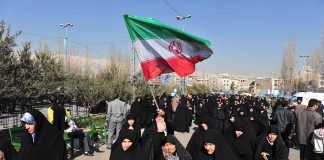
On January 8, 2026, Iran’s rulers ordered a near‑total nationwide internet shutdown just as anti‑government protests swelled into huge crowds across Tehran and other major cities. Technical monitors reported connectivity collapsing to roughly five percent of normal levels, turning a modern nation effectively dark in a single morning. The blackout coincided with demonstrations over crushing inflation, unemployment, and corruption, and it appears designed to sever protesters from each other and from the outside world.
Independent groups such as NetBlocks and Cloudflare used live network telemetry to confirm the shutdown was engineered, not the result of a random power failure or natural disaster. Traffic data showed a sudden ninety‑plus percent drop in announced address space and usable bandwidth, especially around midday. That pattern matches previous blackouts the regime has imposed during unrest, where authorities simply order state‑aligned providers to cut backbone connections and throttle remaining traffic to a trickle.
A Decade‑Long Pattern of Digital Repression
The January blackout did not arrive in a vacuum; it followed years of protests triggered by economic meltdown, political repression, and anger over previous killings. During the 2019 fuel protests, the regime imposed a week‑long shutdown that helped security forces carry out mass shootings while the country was largely offline. In the 2022–2023 Mahsa Amini protests, authorities mixed regional outages with heavy throttling and bans on major platforms.
Those earlier episodes taught both sides hard lessons. Protest movements learned to lean on VPNs, circumvention tools, diaspora media, and even offline organizing to keep going when mobile data dies. The regime responded by refining a toolbox of targeted censorship, from SIM‑card deactivations and platform‑specific blocks to slower, selective throttling intended to frustrate coordination without drawing instant global headlines. The January 8 decision to revert to a full national blackout shows how quickly that toolbox escalates when the system feels genuinely threatened.
Protesters, Exiles, and a Regime Built on Control
Inside Iran, protesters now include workers, students, middle‑class families, and the urban poor, all hammered by inflation, currency collapse, and corruption. Many also carry deep resentment over past atrocities that were hidden or minimized during earlier shutdowns. Outside the country, exiled figures such as Crown Prince Reza Pahlavi have tried to channel that anger by using social media to coordinate symbolic actions, including nationwide chanting at set times and calls to keep filming abuses whenever connectivity briefly returns.
Iran’s ruling structure, from the Supreme Leader’s office to its security services, treats the internet as a battlefield, not a neutral utility. The Telecommunications Company of Iran and other major providers sit under state control, allowing orders from security organs to cascade quickly through the network. Each blackout, throttling campaign, and platform ban is meant to disrupt organizing, slow the flow of video evidence, and buy the regime time to deploy the Revolutionary Guard, Basij, and police with minimal outside scrutiny.
Why This Matters for Americans Who Care About Liberty
For Americans who value the Constitution, the Second Amendment, and a free press, Iran’s blackout is a stark reminder of what happens when government controls both speech and infrastructure. When one central authority can cut off communications at will, there is no practical equivalent of our First Amendment, no real right to assemble, and no effective way to hold officials accountable. The regime’s ability to take an entire country mostly offline in hours shows how fragile freedom becomes once power is centralized.
Iran is paying a price for these tactics, from economic damage to international condemnation, but its rulers clearly judge the blackout worth the cost to preserve their grip on power. For American readers, the lesson is not that our system looks like Tehran’s, but that concentrated control over information is always dangerous. Whenever politicians push speech controls, censorship by proxy, or tighter government leverage over tech and infrastructure, they move one step closer to the switch Iran just flipped.
Sources:
Iran’s Regime Imposes Nationwide Internet Shutdown as Uprising Expands
2026 Internet blackout in Iran
Iran: Internet shutdown hides violations in escalating deadly crackdown on protesters