

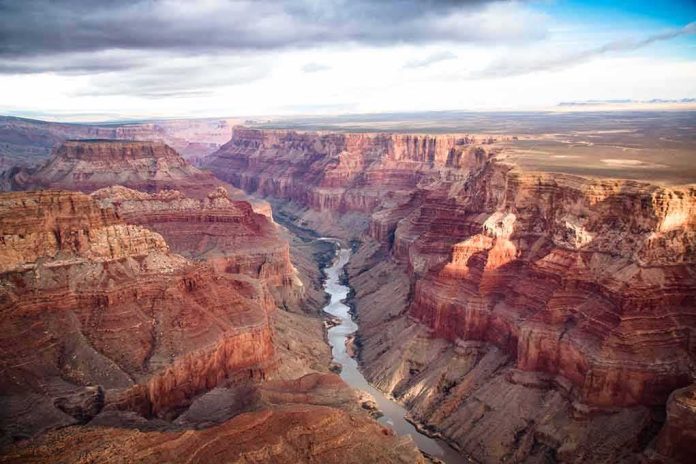
A sudden flash flood tore through Grand Canyon’s inner canyon, killing one person, leaving about 15 missing, and wrecking key trails and bridges as more storms loom.
Story Snapshot
- Park service confirms a major flash flood hit Bright Angel Canyon on August 29.
- One person is dead and about 15 are unaccounted for as searches continue.
- Dozens were airlifted out; bridges and trails suffered heavy damage.
- Officials closed key areas and imposed strict water limits after the storm.
What Happened in the Canyon
Grand Canyon National Park reported a significant flash flood in Bright Angel Canyon and the Phantom Ranch area on August 29, starting about 2:30 p.m. Park officials said one person died and about 15 people may be missing. Crews evacuated scores of visitors from Phantom Ranch and the lower North Kaibab Trail after waters rose fast and washed out crossings along Bright Angel Creek. Early counts can shift during large rescues, but officials confirmed extensive damage and ongoing operations.
National Park Service staff said nearly all footbridges over Bright Angel Creek were destroyed, cutting hiker access across the canyon floor. The park closed the entire North Kaibab Trail and shut Phantom Ranch to visitors while rangers assessed trail safety and structure damage. Officials said 62 people had been evacuated by the morning of August 30, with helicopter flights focused on medical needs and those stranded by bridge losses. Weather cleared after the storm, but repair work will take time.
Grand Canyon braces for more storms after deadly flash flood, about 15 people still missing – Breitbart #news https://t.co/zlsxEw0zOr via @BreitbartNews
— Filtered News (@filterednews) August 31, 2026
Closures, Water Limits, and Safety Impacts
Park managers imposed Stage 4 water restrictions on the South Rim starting August 31. The flood damaged inner canyon utilities and the trans-canyon water system that feeds rim facilities, forcing hotels and services to scale back water use. The park warned visitors to expect limited services, closed trails, and no access to Phantom Ranch until further notice. The North Kaibab Trail closure remains in effect from the trailhead to Phantom Ranch due to washouts and debris.
Officials stressed that rescue and recovery take priority over reopening dates. Rangers must clear debris, inspect slopes, and secure damaged crossings before any public use returns. The closure list includes Bright Angel Campground, the Black Bridge, and other inner canyon sites tied to the flood path. Managers said they will update the public as crews finish inspections and confirm safe routes for hikers and mule trains. Visitors were urged to change plans and avoid closed zones.
Why Flash Floods Hit Hard Here
Desert canyons funnel rainfall into tight slots, which makes water rise fast with little warning. The Grand Canyon has a long record of dangerous floods that strand hikers and damage trails, especially during late summer storms. National Park Service data show thousands of search-and-rescue incidents each year across parks, with hundreds of deaths and many saves, reflecting how common and sudden these hazards can be in rugged terrain. Even small storms upstream can produce deadly flows in side canyons.
Park communications during the first days after a disaster can be limited while rangers focus on field work and family notifications. A recent National Park Service policy directed staff to route injury and death reporting through central channels, which can slow public details while formal counts are confirmed. That gap can frustrate families and travelers, but it aims to keep facts consistent while teams work through complex, changing conditions on the ground.
What This Means for Travelers and Towns
Travelers should expect multi-week disruptions for North Kaibab access, Phantom Ranch stays, and inner canyon crossings. South Rim services will feel pressure from water limits until the damaged system is repaired. Local businesses and park workers will carry the load of sudden cancellations and longer supply runs. Hikers planning fall trips should build backup plans, carry extra water treatment, and watch official alerts closely as more storms threaten the canyon this week.
Sources:
washingtontimes.com, nps.gov, sfchronicle.com, azcentral.com, bbc.com, foxweather.com