

Thousands of veterans and surviving families could see higher monthly payments under a bill that stalled in the Senate after the House approved it.
Quick Take
- The House passed H.R. 6047, but the bill was later received in the Senate and sent to committee.
- The measure would add a new supplemental monthly allowance of **$833.33** for some severely disabled veterans.
- It would also raise **Dependency and Indemnity Compensation** for surviving spouses and other eligible families.
- The bill would change some Department of Veterans Affairs home-loan fees and expand access for some Guard and Reserve members.
What the Bill Would Change
H.R. 6047, the Sharri Briley and Eric Edmundson Veterans Benefits Expansion Act of 2026, would direct the Department of Veterans Affairs to increase several benefit categories at once. The clearest change is a new supplemental monthly allowance of $833.33 for veterans already eligible for aid and attendance because of service-connected disabilities or traumatic brain injury. The bill also calls for higher survivor payments and some home-loan changes.
The bill text says the new $833.33 payment would begin on December 1, 2026, if the measure becomes law. The Congressional Budget Office says the monthly benefit would start in December 2026 and would rise over time with cost-of-living adjustments. Supporters frame the change as overdue relief for veterans with the most serious injuries, while the bill also aims to keep the package broad enough to help survivors and some military families.
Why Supporters Say It Matters
Supporters argue that the bill answers a long-running gap in veterans policy. House Veterans’ Affairs Committee materials say the measure would make the first significant increase in support for certain severely disabled veterans in decades. The same materials say the bill would also lift payments for surviving families, including those who rely on Dependency and Indemnity Compensation after a service member dies. That mix of disability aid and survivor help explains why the proposal drew attention quickly.
The administration has said it supports the intent of H.R. 6047. That backing matters because it signals that the White House sees the bill as a real benefit package, not just a talking point. Even so, the legislation still has to clear the Senate and survive the usual fights over cost and funding. For many veterans, that delay is frustrating because the bill promises money that is easy to explain but still not guaranteed.
Why the Bill Stalled
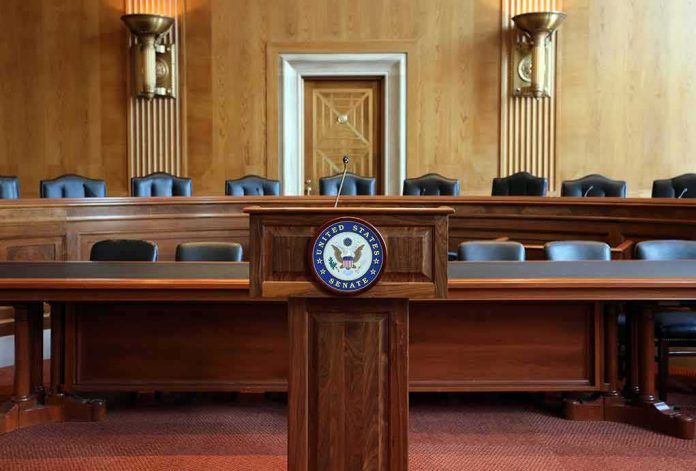
The official congressional record shows the House sent the bill to the Senate on June 2, 2026, where it was read twice and referred to the Senate Committee on Veterans’ Affairs. That step does not kill the measure, but it does slow it down. Bills that combine benefit increases with fee changes often move more slowly because lawmakers must balance support for veterans with concerns about how the package is paid for.
That tension is part of the broader fight over veterans policy in Washington. On one side are lawmakers and veterans groups who want faster and more generous aid for the most disabled veterans and survivors. On the other side are lawmakers who worry about the cost, the funding source, and whether Congress is again using one group to cover another group’s benefit increase. For veterans waiting on relief, the political delay feels like another example of government moving slower than the need it claims to serve.
What to Watch Next
If the Senate takes up H.R. 6047, the main question will be whether it keeps the House version intact or changes the financing details. The bill’s home-loan fee provisions and survivor benefit formula could draw the most debate because they affect who pays and who benefits. For now, the headline is simple: Congress has already put an extra $833.33 a month on the table for a narrow group of veterans, but the Senate has not yet decided whether to hand them the check.
Sources:
military.com, congress.gov, cbo.gov, whitehouse.gov, govinfo.gov, rules.house.gov, veterans.house.gov, legion.org, pva.org