

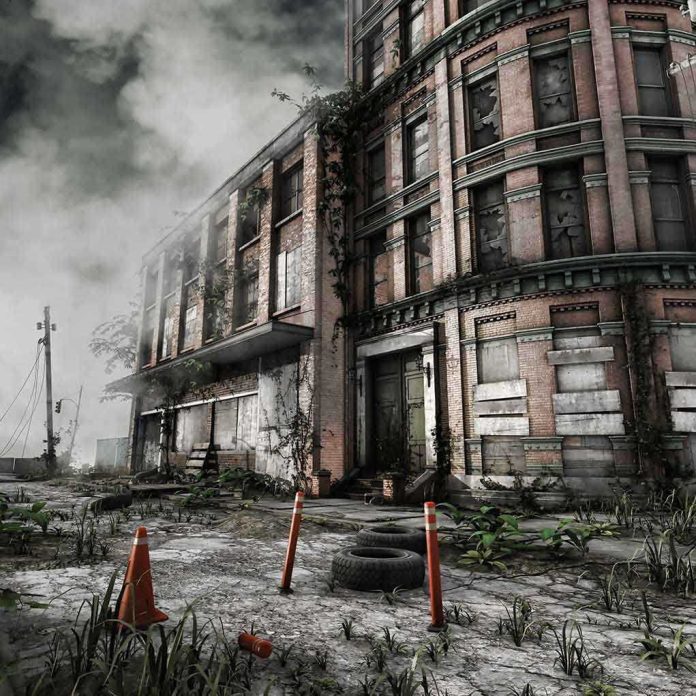
A British village frozen in time since World War II opens its gates just 12 days each year, revealing a haunting snapshot of 1943 when 150 residents were given 47 days to abandon their homes forever to help defeat the Nazis.
Story Highlights
- Imber village in Wiltshire was evacuated in 1943 for military training against Nazi forces
- Residents were promised they could return after the war but 82 years later, it remains under Ministry of Defence control
- The village opens only 12 days annually around Easter, summer, Christmas caroling, and New Year periods
- Thousands of visitors flock to see the preserved church and decaying cottages during these rare openings
- The site generates £15,000-20,000 yearly through donations for conservation efforts
The Wartime Evacuation That Never Ended
December 1943 brought devastating news to Imber’s 150 residents. The Ministry of Defence needed their village immediately for live-fire training to prepare British troops for the final push against Nazi Germany. Families packed their belongings from thatched cottages, said goodbye to St Giles Church, and left their local pub behind, believing they would return when peace came. That return never happened.
The military transformed Salisbury Plain into a training ground the size of the Isle of Wight. Imber became collateral damage in this expansion. Thatched roofs collapsed from decades without maintenance, water damage hollowed out homes, and military exercises left mock modern buildings among genuine historical structures. The village became a ghost town maintained by necessity rather than nostalgia.
A 77-Year-Old Guardian of History
Neil Skelton first cycled into abandoned Imber as a curious 16-year-old in 1964. That unauthorized visit sparked a lifelong obsession. Now 77 and living in nearby Wilton, Skelton serves as the village’s unofficial guardian through his work with the Churches Conservation Trust. He spent 30 years with the organization before retiring in 2008, but continues volunteering as church custodian during the precious few days when civilians can enter.
Skelton fulfilled a personal dream in 2010 when bells were reinstalled in St Giles Church, allowing him to ring them for visitors. “I just love the atmosphere,” he explains, describing the Grade I-listed church as “a good church with a lot of history.” His enthusiasm proves infectious among the thousands who visit during open periods, with 4,000 people arriving on summer bus days and 3,000 over bank holiday weekends.
Conservation Through Controlled Access
The Ministry of Defence’s grip on Imber creates an unintended conservation success story. Wildlife thrives in areas designated as Sites of Special Scientific Interest, benefiting from eight decades without human habitation. The village exists in a bizarre time warp where visitors can walk roads last traveled by residents fleeing wartime evacuation orders.
St Giles Church operates as the village’s beating heart during open days from 11am to 4pm. Skelton and fellow volunteers serve refreshments and sell merchandise, raising £15,000 to £20,000 annually for conservation work. These modest funds represent the village’s only source of maintenance income, making each visitor’s donation critical for preserving what remains of pre-war rural England.
The Latest Opening and Ongoing Mystery
Roads opened at 8am on December 29, 2025, remaining accessible until 8am January 2 for the latest annual viewing period. Visitors stream through military checkpoints to witness Imber’s haunting preservation, walking among cottage ruins and entering the functioning church that anchors the abandoned settlement.
The village raises uncomfortable questions about government promises and eminent domain. Original residents received assurances they could return after victory over Nazi Germany. Instead, their sacrifice became permanent, their homes sacrificed not just to defeat fascism but to maintain Britain’s military readiness through the Cold War and beyond. Skelton notes that people “come every time out of interest,” suggesting public fascination with this frozen moment of wartime disruption shows no signs of diminishing after more than eight decades.
Sources:
Abandoned village evacuated for WWII to open for visitors