Blue Origin’s ambitious plan to launch the first wheelchair user into space hit a major setback when technical issues forced a last-minute scrub, raising questions about the company’s reliability in the increasingly competitive space tourism market.
Story Summary
- Michaela Benthaus was set to become the first wheelchair user in space aboard Blue Origin’s NS-37 mission
- Technical snag at the pad forced postponement despite “GO” confirmation the day before
- Mission represents Blue Origin’s return to crewed flights after 2022 booster failure and safety pause
- Delay highlights ongoing reliability concerns in rapidly expanding commercial space industry
Historic Mission Hits Technical Roadblock
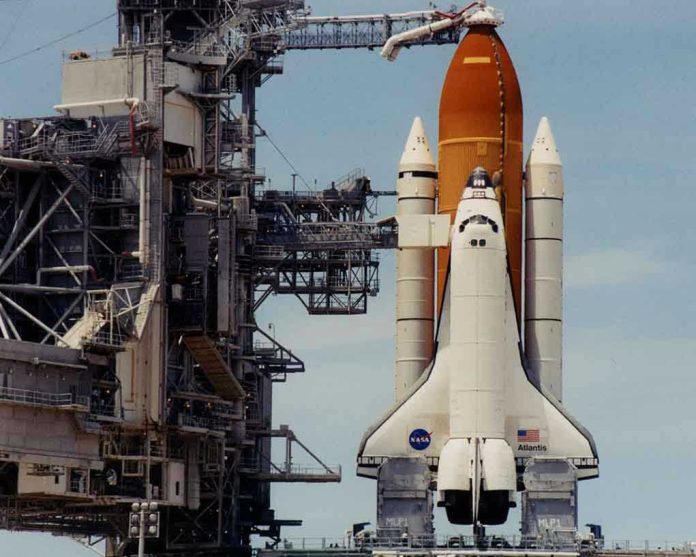
Blue Origin’s New Shepard NS-37 mission was scheduled to launch December 18, 2025, carrying Michaela “Michi” Benthaus alongside five other crew members from Launch Site One in West Texas. The mission promised to break new ground by sending the first wheelchair user on a commercial suborbital flight. However, an unspecified technical issue at the launch pad forced mission controllers to scrub the highly anticipated flight, leaving the crew and disability advocates disappointed.
The postponement came just one day after Blue Origin declared the mission “GO” for launch at 10:00 AM CST. The crew included Joey Hyde, Hans Koenigsmann, Neal Milch, Adonis Pouroulis, and Jason Stansell, all preparing for the approximately 11-minute suborbital flight reaching 100 kilometers altitude. Blue Origin has not provided specific details about the technical problem or announced a new launch window.
Return to Flight Faces New Challenges
This setback represents another hurdle for Blue Origin’s efforts to resume regular crewed operations following a 2022 booster failure that grounded the New Shepard program. The company spent months conducting uncrewed test flights throughout 2024 and early 2025 before receiving clearance to return astronauts to space. The NS-37 mission was intended to demonstrate both the vehicle’s renewed reliability and the company’s commitment to expanding spaceflight accessibility.
Blue Origin’s New Shepard program, launched in the 2010s by Jeff Bezos, achieved its first crewed flight in 2021 with Bezos aboard. Since then, the program has faced intermittent technical challenges and regulatory scrutiny from the FAA. The company markets seats at an estimated $200,000 to $1 million each, competing directly with Virgin Galactic and indirectly with SpaceX’s more extensive orbital missions.
Broader Implications for Space Tourism Industry
The mission delay underscores persistent technical risks in the rapidly commercializing space tourism sector. Industry experts have expressed concerns about companies rushing crewed flights to market without adequate testing protocols. This postponement reinforces the need for rigorous safety standards, especially when pioneering new accessibility accommodations like those designed for Benthaus’s wheelchair-bound participation.
Success in launching the first wheelchair user would have set important precedents for spacecraft design standards and disability inclusion in commercial spaceflight. The mission aligns with broader efforts to democratize space access, including the European Space Agency’s selection of paraplegic astronaut John McFall for a potential 2026 orbital mission. These initiatives challenge the space industry to move beyond traditional physical requirements and embrace true accessibility.
Sources:
Blue Origin New Shepard NS-37 Mission
Blue Origin First Wheelchair User Space – GeekWire