
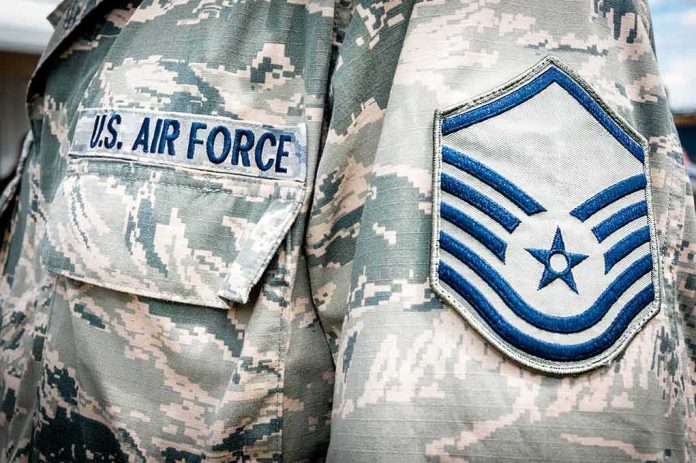
The U.S. Air Force moved aircraft out of RAF Mildenhall in England and raised the base’s alert level because of a threat that reports tie to Iran.
Story Snapshot
- Flight trackers counted 13 U.S. aircraft leaving RAF Mildenhall for bases in Germany, Spain and Scotland.
- A U.S. official said the planes moved because of a threat; reports say the threat is linked to Iran.
- The base went to FPCON Charlie, the second-highest security alert, according to the trackers and reports.
- Britain said its bases are safe, and a U.S. official said some planes may return.
- Commanders moved the planes fast, and it is the second U.S. base in Britain to do so in recent weeks: in October, B-1 bombers left RAF Fairford over a suspected Iran-linked plot.
What Happened at Royal Air Force Mildenhall
On Monday, November 9, two KC-135 refueling tankers left RAF Mildenhall in eastern England for Germany in the morning, and more aircraft followed later that day. A U.S. official said the Air Force moved the planes because of a threat. The official did not say what the threat was or who was behind it. People familiar with the matter told reporters the threat was tied to Iran. A U.S. official called the move proactive, meaning it was done to get ahead of danger, not in answer to an attack.
RAF Mildenhall is a British base run by the U.S. Air Force. It is home to the 100th Air Refueling Wing, the only permanent refueling wing in the European region. A volunteer group of about 30 flight trackers called the Military Air Tracking Alliance counted 13 U.S. aircraft leaving the base. They included KC-135 tankers, which refuel other planes in midair, and Ospreys, aircraft that take off like a helicopter and fly like a plane. Some were based at Mildenhall, and others were passing through.
What FPCON Charlie Means
FPCON stands for Force Protection Condition. It is the military’s scale for how tight security is at a base. Charlie is the second-highest level. It is used when an incident has happened, or when intelligence shows a terrorist attack on troops or buildings is likely. The flight trackers said Mildenhall went to Charlie, and reports said nearby RAF Lakenheath did too. The Pentagon did not confirm the level right away.
U.S. Air Forces in Europe said it is “taking coordinated and appropriate actions” to protect U.S. and British troops and their families. Officials said aircraft rotate between bases for training and “real world requirements.” They declined to discuss the moves in detail, citing operational security, which means keeping plans secret so an enemy cannot use them.
The Iran Factor and the Earlier Plot
This is the second U.S. base in Britain to send aircraft away in recent weeks. In October, the Air Force pulled its B-1 bombers out of RAF Fairford, another British base used by the U.S. Police there were investigating a suspected Iran-linked terror plot. Fairford’s bombers had flown strikes on Iran during the Middle East conflict. Five men were detained on September 27 after three suspicious vans were seen heading toward that base, and two men have since been charged under Britain’s National Security Act.
About a week before the Mildenhall move, U.S. European Command started a safety campaign called “See Something, Do Something.” It tells troops to change their routes to work, turn off location tracking in fitness apps and be careful what they share online. European Command did not name a specific threat.
What Britain and the U.S. Said Next
On Tuesday, November 10, the British prime minister’s office said the country’s air bases are safe. It said security is a top priority and that Britain is in constant contact with the U.S. and sharing intelligence. Britain’s Ministry of Defence said it does not comment on other nations’ activities and that aircraft move often for operational reasons.
A U.S. official said some of the planes may return to Mildenhall. Officials have not said when, and they have not released details of the threat.
Bottom Line for Conservative Readers
Commanders saw a threat and moved high-value aircraft fast, before anything could happen. Spreading planes out, called dispersal, is a standard defense step. It means one strike cannot wreck many planes at once. Refueling tankers keep fighters, bombers and cargo planes flying long distances, so keeping them safe protects America’s reach. The quick move on Monday, November 9, showed U.S. forces in Europe acting early to protect their people and their planes.
Sources:
military.com, stripes.com, usatoday.com, nbcnews.com, bbc.com