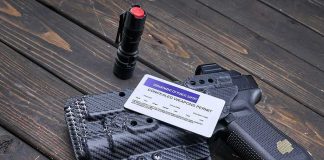


As attacks on houses of worship rise, more American churches are quietly turning into armed fortresses to protect their flocks.
Story Snapshot
- Over 1,500 deadly-force attacks have hit faith-based sites since 1999, pushing churches to rethink security.[3]
- Insurance experts now openly tell churches to consider armed security, including off-duty police or private guards.[3]
- Trainers say armed volunteers on-site can stop killers in the first 30 seconds, before police can arrive.[1][2]
- Critics warn that guns in the sanctuary raise liability, spiritual concerns, and fears of “militarized” worship.[3][7]
Why Churches Are Beefing Up Security Now
From the late 1990s through 2017, there were 1,551 deadly-force incidents at faith-based organizations, causing 1,420 deaths and injuries.[3] Those are not abstract numbers to pastors who stand at the pulpit every week and wonder who is walking through the door. Insurance guidance built around those events now treats violent attack as a real, ongoing risk, not a rare “one-off.”[3] For many congregations, the old model of an unlocked door and a trusting heart no longer feels responsible.
An influential church-insurance brochure asks straight out, “Is armed security right for your church?” and then walks leaders through how to decide.[3] The document does not talk like anti-gun activists. It describes armed security as a valid option when done with serious training, clear rules, and legal care.[3] It even encourages churches to look at off-duty law enforcement officers or professional guards because they bring higher training and shift some liability off the church.[3]
How Armed Church Teams Actually Work
A veteran church-security trainer who has spent years on an armed team says the same thing many gun owners already know: the person who is already on scene is the one who stops the attack.[1] He describes cases where armed members inside a church ended the threat immediately, long before police could arrive from miles away.[1] That basic math on response time is why trainers stress the first 30 seconds as the window that decides how many people live or die.[2]
Faith-based security training material points to several real-world examples. At Cross Point Church and at Temple Israel in Michigan, armed individuals on site reportedly confronted attackers quickly and kept casualties to a single victim in each case.[2] Trainers argue that when a killer faces armed resistance right away, the attack ends faster and more people survive.[2] They also note that a small church does not need a massive army. One armed person inside and one outside can give even a country church a fighting chance.[2]
Layered Security, Not Just Guns in the Pews
Serious church-security guidance does not say “add guns and you are done.” It calls for layered protection.[4] That includes greeters or patrol staff watching the parking lot, controlled entry doors, cameras, radios, medical kits, and clear emergency plans.[4] Armed or unarmed officers fit into that bigger plan, not above it.[4] The goal is to spot trouble early, slow it down at the door, and give any trained defenders the best chance to act safely.
Operational advice also warns about one risk many members never think about: confusion when police roll up.[1] Trainers urge churches to meet with local law enforcement ahead of time and explain that vetted congregants may be armed and could be holding a suspect at gunpoint when officers arrive.[1] That kind of planning helps reduce the chance that police mistake a volunteer defender for the attacker, which would be a tragedy on top of a tragedy.[1]
The Hidden Costs and Risks Churches Must Weigh
Even guidance that supports armed options is blunt about the risks. The same insurer that lays out how to arm a team also warns that if the church runs its own armed volunteers, it owns the training, screening, and supervision burden.[3] Leaders are told to run full background checks, require yearly training and weapons qualification, write clear use-of-force rules, and comply with every state licensing law.[3] None of that is simple or cheap, especially for small congregations.
DAY 5. National Gun Violence Awareness Month. And I am still here. Still at the chalkboard. Still with data. And today I have a story for you that I think about more than almost any other.
I want you to imagine what six seconds feels like when it matters.
Not six seconds…
— mike bski (@BskiMike22802) June 5, 2026
Critics of armed guards in churches raise deeper concerns. Some argue that visible weapons can clash with the sense of peace and holy ground that worshippers expect.[7] They say that turning sanctuaries into what looks like security zones may change how people feel about God’s house, even if it never changes how a gun is used.[7] Others worry that more guns always carry some risk of accidents, escalation, or tragic mistakes, even when the carrier means well.[3][7]
What We Still Do Not Know for Sure
One thing is striking in the available material: nearly all of it comes from trainers, security firms, or insurers, not from neutral researchers.[1][2][3][4] They provide strong how-to advice and powerful stories but not hard national data that compares churches with armed security, unarmed security, or no formal security at all.[1][2][3][4] That means many bold claims, including that every church shooter stopped by a member proves the model, still rest on anecdotes, not full incident lists.[2]
For churches trying to be good stewards, this lack of solid outcome data is frustrating. Leaders are being asked to decide between staying “soft” targets and bringing firearms into sacred space in a culture war climate where the left attacks both gun rights and public faith. What we do know is that attacks on faith-based sites are real, that seconds matter, and that Washington will not be there in time.[3] The rest, for now, is up to pastors, elders, and congregations who refuse to be easy victims.
Sources:
[1] Web – THE ESSEX FILES: Faith Under Fire: Why America’s Churches Are Turning …
[2] Web – Organizing, Training & Running a House of Worship Armed …
[3] YouTube – Churches employ armed security guards
[4] Web – [PDF] IS ARMED SECURITY RIGHT FOR YOUR CHURCH?
[7] Web – Should Churches have Armed Guards? – Lonestar Universal Security