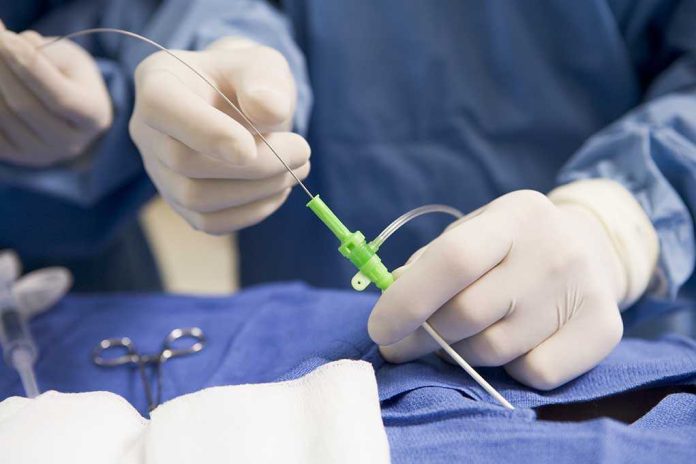
Men now account for millions of cosmetic procedures annually, shattering decades of stigma and redefining masculinity in ways that demand closer scrutiny.
Story Highlights
- U.S. men underwent 1.6 million cosmetic procedures in 2024, up 4% from 2022.
- UK reports 70% surge in male aesthetic treatments since 2021, nearing one-in-five appointments.
- Global male aesthetics market heads to $5.6 billion by 2026, outpacing overall growth.
- Social media, pandemic Zoom calls, and workplace competition fuel the boom.
- Mental health experts warn of rising body dysmorphia risks amid the trend.
Historical Shift from Stigma to Acceptance
Cosmetic surgery targeted women for decades, with men facing ridicule for pursuing it. Cultural views tied masculinity to ruggedness, not refinement. Surgeon websites showed few male images, deterring clients. Pre-2015, male procedures stayed niche. Social media from 2015 expanded body ideals. Pandemic video calls from 2020 sparked self-awareness, accelerating demand. Men now openly seek enhancements for confidence and edge.
Explosive Statistics in 2024-2025
U.S. data logs 1.6 million male procedures in 2024, 6% of total cosmetics despite women dominating 94%. UK males hit nearly 20% of appointments, up 70% since 2021. Globally, neuromodulator injections rose 6%, skin treatments 15% from 2022-2023. ISAPS notes 14% male share in some metrics. Growth exceeds industry averages, signaling sustained momentum into 2026.
Key Drivers: Social Media and Professional Pressures
Social media floods feeds with perfect male physiques, pressuring men like women faced before. Zoom fatigue during lockdowns highlighted flaws, spurring action. Finance and business men, 15-20% of some surgeons’ patients, chase vigor for competition. Fitness culture and wellness trends amplify sculpted body demands. Self-confidence tops motivations, followed by anti-aging at 35% and events at 31%.
Popular Procedures and Surgeon Insights
Men favor gynecomastia reduction, liposuction, eyelid surgery, rhinoplasty. Facelifts surge, with surgeons like Douglas Monasebian noting total category rises. Lara Devgan sees males sharing openly online, slashing stigma. Techniques cut downtime to one week, suiting professionals. 44% of facial surgeons predict more men ahead, backed by organizations like ASPS and BAAPS.
Cultural and Mental Health Implications
Masculinity evolves toward self-care, normalizing appearance tweaks across genders. Markets expand, creating jobs, but pressures mount. Christia Brown highlights men entering women’s old perfection trap via curated images. David Sarwer pegs body image at 30% of self-esteem, yet surgery’s esteem boost shows mixed results. Body dysmorphia hits 5-15% of patients.
Conservatives value personal responsibility; facts support self-improvement via procedures if chosen freely. Common sense urges balance—surgery aids confidence, but inner strength trumps looks. Data aligns: reduced stigma empowers without mandating. Risks like dysmorphia warrant caution, echoing timeless wisdom on vanity’s pitfalls.
Sources:
Why are more men seeking surgery in 2025? What are the most popular surgeries for men?
The Rise of Male Aesthetics and What to Look For in 2025
Why more men are getting plastic surgery
Male Facelift Trend 2025 Explained
Plastic Surgery Statistics: Top Procedures Performed in the U.S. 2025
What’s on the Horizon: Plastic Surgery Trends for 2025
Men getting twice as much plastic surgery, new data shows
Who’s had plastic surgery or taken other measures to look younger?