

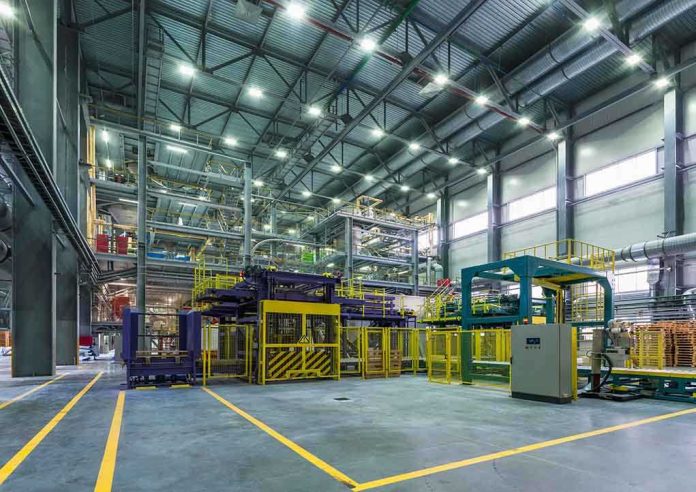
The federal government just spent $70 million on a warehouse the size of seven football fields in suburban Phoenix, and local officials had no idea it was coming until after the deed was signed.
Story Snapshot
- Department of Homeland Security purchased a 418,000-square-foot Surprise, Arizona warehouse on January 23, 2026 for over $70 million to convert into a 1,500-bed immigration detention facility
- City of Surprise officials received zero advance notification from federal authorities about the purchase or ICE’s plans for mass detention operations
- The acquisition represents a dramatic expansion of detention infrastructure funded by recent Trump administration spending bills amid nationwide enforcement ramps
- Arizona’s existing detention centers reported 31 custody deaths in the prior year, nearly triple the previous year’s 11 deaths, raising concerns about conditions
- ICE faces ongoing legal challenges in multiple states for allegedly violating over 100 court orders in a single month
When Federal Authority Bypasses Local Government
The Rockefeller Group’s former logistics warehouse near Waddell and Dysart roads transferred to DHS ownership without a single phone call to Surprise city hall. County property records confirm the January 23 transaction, but the first municipal officials heard about their new federal neighbor was when local media broke the story a week later. This deliberate exclusion of local government from decisions affecting community infrastructure reflects a broader pattern: federal immigration enforcement operates on its own terms, regardless of local concerns or preparation needs.
The warehouse’s conversion into a detention center handling 1,500 individuals simultaneously positions Surprise as a major processing hub in the administration’s expanded enforcement operations. ICE representatives credited funding from recent Trump-era spending bills for enabling the purchase, framing it as essential capacity building. The facility’s massive footprint exceeds typical detention centers, suggesting plans for sustained, large-scale operations rather than temporary surge capacity. No construction timeline has been announced, leaving residents and officials uncertain about when operations will commence.
Arizona’s Troubling Detention Track Record
Arizona already operates immigration detention facilities with documented problems. The Florence and Eloy centers recorded 31 deaths in custody during the previous year, up from 11 the year before. Reports include allegations of denied medical care and neglect, raising serious questions about whether adding 1,500 beds addresses systemic issues or simply scales up existing failures. State Senator Annelise Ortiz bluntly called the planned Surprise facility potentially a death camp, citing these statistics and concerns about constitutional violations affecting even U.S. citizens and DACA recipients caught in enforcement sweeps.
DHS maintains that detainees receive proper medical care and legal access, but the mortality data tells a different story. When death rates nearly triple year-over-year at existing facilities, assurances ring hollow without transparent accountability measures. The pattern emerging across Arizona’s detention system suggests infrastructure problems that more beds and bigger warehouses cannot solve. Yet the federal response prioritizes expansion over addressing root causes of custody deaths and reported neglect.
Legal Pushback Mounting Nationwide
ICE’s aggressive enforcement tactics face judicial resistance beyond Arizona. Minnesota courts documented over 100 violations of court orders by ICE in a single month, resulting in the agency head being ordered to appear in court. These violations reportedly included improper detentions of citizens and individuals with legal status, not just undocumented immigrants. The legal challenges reveal enforcement operations stretching or breaking constitutional boundaries in pursuit of deportation quotas, a concerning trend for Americans who value due process and limited government overreach.
Border Patrol Chief Tom Homan defended the tactics, suggesting enforcement could scale back if resistance decreased, effectively blaming courts and local authorities for the aggressive approach. U.S. Representative Greg Stanton warned the Surprise facility purchase signals disruptive activities similar to Minnesota’s contested operations spreading to Arizona communities. The fundamental tension between federal enforcement mandates and constitutional protections plays out in courtrooms while warehouse conversions proceed nationwide. ICE’s pattern of scouting commercial properties for detention use, reported as early as November 2025, indicates coordinated national strategy rather than isolated incidents.
What This Means for Border State Communities
The $70 million investment transforms metro Phoenix’s West Valley into a significant enforcement hub, with implications for immigrant communities and citizens alike. When federal operations proceed without local coordination, residents face uncertainty about raids, detention sweeps, and community impacts. The facility’s 1,500-bed capacity suggests sustained operations processing thousands annually through a suburban area unprepared for such federal presence. Economic effects remain unclear: the property transaction boosted assessed values, but detention facilities can deter business investment and affect community character.
The broader message resonates beyond Surprise. Federal authorities demonstrated willingness to override local input entirely when pursuing immigration enforcement goals. This approach aligns with Americans who support strong border enforcement and believe sanctuary policies undermine rule of law. However, the lack of transparency, documented custody deaths, and court order violations raise legitimate concerns about accountability and constitutional boundaries. Effective immigration enforcement should not require bypassing local governments or tolerating tripling death rates in custody. The Surprise warehouse represents both expanded capacity and unresolved systemic problems, a combination that deserves scrutiny regardless of one’s position on immigration policy.
Sources:
ICE is planning a 1,500-bed processing facility in a Surprise warehouse it just bought for $70M
Rep. Greg Stanton says he’s concerned about the large warehouse ICE bought in Surprise